Table of Contents
-
Internet Shutdowns in Iran; From Temporary Censorship to a Permanent Control System
-
Impact on Iranian Immigrants' Communication with Family
-
Alternative Methods for Maintaining Connection
-
Psychological Impact of Communication Cutoff and Coping Strategies
-
Therapyta; Specialized Support During Communication Isolation
-
Conclusion
1. Internet Shutdowns in Iran; From Temporary Censorship to a Permanent Control System
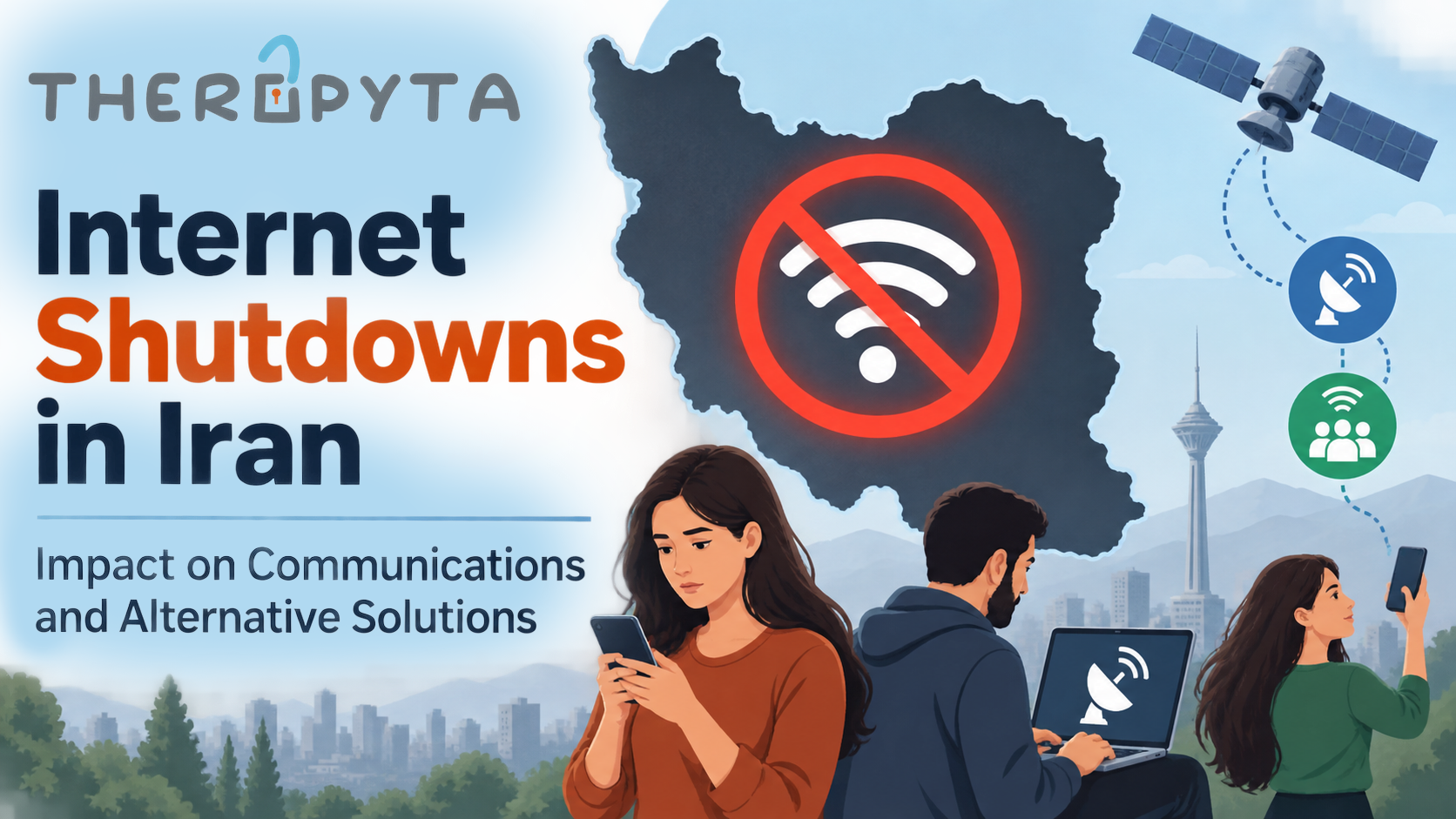
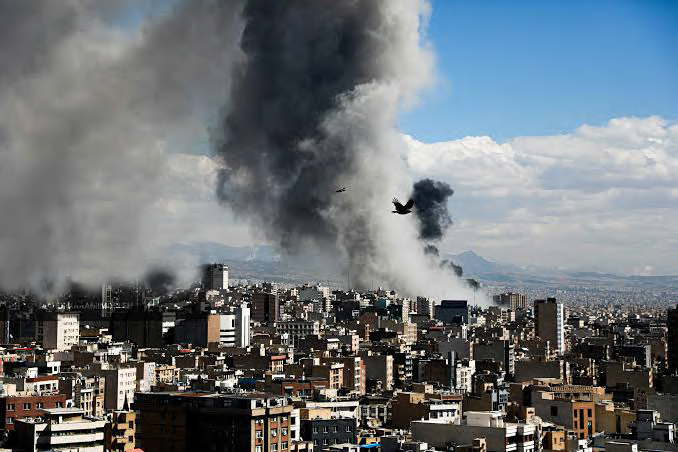
Internet shutdowns in Iran have, in recent years, evolved from a temporary tool for managing unrest into part of an extensive and expanding system of political control. According to documented reports, in January 2026, Iranian authorities cut off nearly all telecommunications services across the country; both international connectivity and substantial portions of domestic communications were disrupted. This near-total blackout lasted approximately three weeks, after which a gradual and limited process of restoring communications began.
But what distinguishes this blackout from previous instances is a structural change in its nature. According to a report by the UN Office of the High Commissioner for Human Rights, restored access has been established under a reconfigured model, in which access to the global internet remains blocked and only certain platforms and selected services are usable. Reports also indicate the existence of arrangements in some institutions where access to international services is granted in a tiered manner or based on individuals' identities. This pattern indicates a structural shift: a transition from intermittent internet blackouts to a system in which connectivity is managed and conditional, and access to the global internet is treated not as a universal public service but as a controlled and revocable privilege.
Technical analyses also show that recent blackouts were not implemented through removing network routes or BGP hijacking, but rather relied more on aggressive filtering, deliberate bandwidth throttling, allowlist-based access, and control at central gateways. This architecture allows limited domestic communications to be maintained while global internet access is completely cut off. Reports indicate that the 2026 internet shutdown was not only the longest recorded blackout in Iran's history but also had significant economic consequences, with small and medium-sized businesses reporting revenue declines of 80 to 90 percent.
2. Impact on Iranian Immigrants' Communication with Family
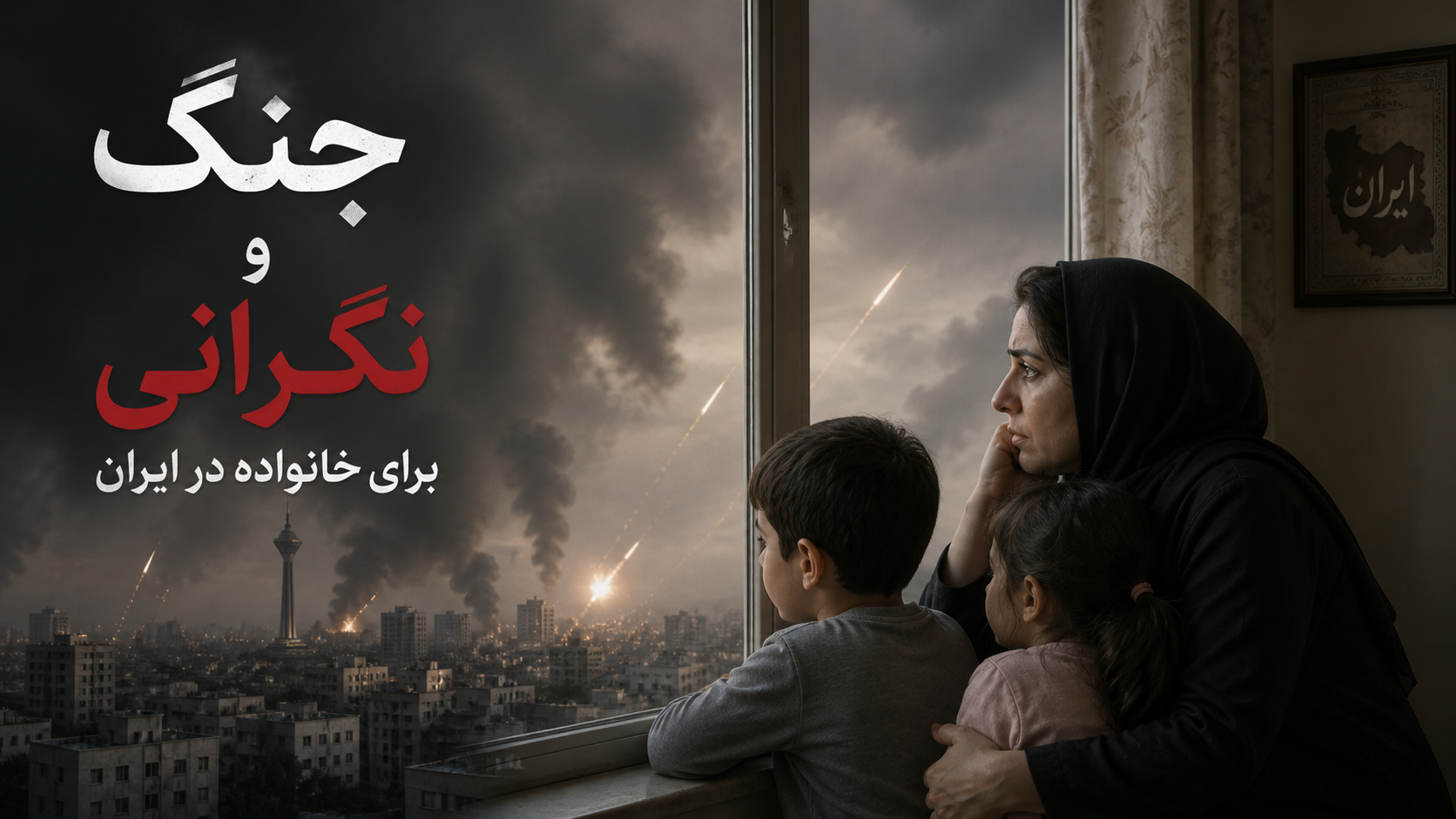
For millions of Iranians living abroad, internet shutdowns in Iran mean the sudden severing of the most important—and sometimes the only—bridge of communication with their family and loved ones. In circumstances where no ordinary international phone call is possible and all messaging and video call services are blocked, immigrants find themselves in a state of ambiguity and deep anxiety.
This communication cutoff has deep emotional and psychological dimensions. An Iranian living in Toronto, in an interview with BBC News Persian, describes their experience: "The most terrifying part is that they are under heavy bombardment, and yet they call me and say 'We're fine, don't worry about us.' That's exactly what breaks me." This statement vividly illustrates the depth of immigrants' guilt and helplessness when they cannot help their families.
Losing connection, especially during wartime, has even more serious consequences. The UN Office of the High Commissioner for Human Rights report notes that the communication cutoff "left many families unaware for days of the fate or whereabouts of their detained or injured relatives." This ambiguity and lack of information is a constant source of anxiety and fear for immigrants; because they don't know whether their loved ones are alive, safe, or in urgent need of help.
3. Alternative Methods for Maintaining Connection
Faced with widespread internet and communication shutdowns, Iranians inside and outside the country have devised creative, and sometimes risky and costly, methods to maintain connection. According to documented reports, these methods include the following:
Use of Border Lines and Dual SIM Cards. One of the innovative methods documented in BBC News Persian's report is the use of intermediary services by people living in border areas. These individuals, with two SIM cards—one connected to the Iranian network and the other to a neighboring country's network—act as a communication bridge. Iranians abroad call the intermediary through a foreign number, and they then call their families inside Iran using their Iranian number. The cost of these services is high; a four-to-five-minute conversation costs about 38 dollars.
Use of Expensive and Unstable VPNs. Many Iranians inside the country use VPNs to access the global internet, but under widespread blackouts, the prices of these services have skyrocketed and connections have become highly unstable. One gigabyte of VPN traffic may cost about 20 dollars, while the minimum monthly wage in Iran is about 100 dollars. One Iranian user says in this regard: "VPN prices have gone through the roof and connections are very unstable. If the connection drops during use, the purchased traffic is lost and the money is non-refundable."
Use of Starlink Satellite Internet. Although Starlink is banned in Iran, reports show that a significant number of Iranians have used this service to bypass restrictions. An Iranian official announced in September 2026 that about 10 percent of Iran's international traffic passes through informal routes like Starlink, and this service "is no longer a potential concern, but a reality." However, reports indicate that Iranian authorities have managed to disrupt a significant portion of Starlink service using advanced military jamming equipment.
Short and Unstable Direct Calls. In some cases, Iranians inside the country manage to call abroad themselves, but these calls rarely connect on the first attempt and usually disconnect after two to three minutes. However, even these short calls have very high emotional value for worried families.
4. Psychological Impact of Communication Cutoff and Coping Strategies
Losing connection with family during critical conditions is one of the most severe stressors for immigrants. This situation creates a combination of anxiety, survivor's guilt, helplessness, and ongoing ambiguity that can lead to sleep disorders, reduced concentration, irritability, and even depression.
Practical Strategies for Managing This Situation:
1. Setting Expectations and Accepting Limitations. The first step is accepting the reality that communication with family during internet blackouts may be limited, unstable, and unpredictable. Instead of expecting regular and lengthy calls, it is better to derive maximum emotional benefit from every short call and every brief message. This acceptance reduces the psychological pressure of unmet expectations.
2. Setting Specific Times for News and Communication. Constantly drowning in efforts to get news or make calls is itself a source of anxiety. Dedicate specific times (e.g., two or three times a day) to this task and afterward return to your daily life. This strengthens the sense of control over the situation.
3. Using Alternative Communication Methods. If direct contact is not possible, use indirect methods. For example, you can coordinate with relatives or friends of the family in Iran who have better access to receive news through them. You can also send short text messages that may be received with delay but still show your family you are thinking of them.
4. Emotional Release and Talking with Others. Share your feelings with trusted friends, your spouse, or support groups of Iranians abroad. Simply expressing worries can lift a heavy burden off your shoulders. Also, hearing similar experiences from others can reduce feelings of loneliness.
5. Focusing on the Circle of Control. Instead of focusing on things you cannot control (like the internet situation or political decisions), focus on what is within your control. You can arrange support plans for your family, identify alternative communication methods, or even participate in collecting financial aid for affected families.
6. Seeking Professional Counseling When Needed. If anxiety caused by the communication cutoff reaches a point where it disrupts your daily functioning, or if you experience persistent feelings of helplessness and hopelessness, consulting a counselor is essential. Online counseling platforms like therapyta, by providing specialized services in Persian with experienced counselors who have themselves experienced immigration, can help you manage this difficult period with greater peace.
5. Therapyta; Specialized Support During Communication Isolation
In circumstances where internet and communication shutdowns push the anxiety and worry of Iranian immigrants to their peak, Therapyta, as the first comprehensive health-oriented platform specifically for Iranians abroad, provides a safe and professional environment for receiving psychological support. Therapyta's specialized team consists of experienced psychologists and psychiatrists who themselves have experienced immigration and life abroad and are fully familiar with the specific challenges of Iranians during crises.
Therapyta's services include psychological and psychiatric counseling, academic and career counseling, pharmaceutical consultation, guidance for cultural adaptation and lifestyle, and speech therapy—all delivered online through video, audio, or text. All counselors active on therapyta hold official licenses from the Psychological System Organization, and their credentials are thoroughly verified before collaboration, ensuring users can benefit from their expertise with complete confidence. During communication isolation, Therapyta, by providing immediate and accessible services, helps immigrants face the anxiety caused by separation from family in a healthy way and strengthen their psychological resilience.
6. Conclusion
Internet shutdowns in Iran, especially during critical conditions and military conflicts, have been one of the most severe and prolonged communication restrictions in the country's history. These restrictions, designed within a controlled and centralized system, not only limit access to information but also severely disrupt the communication of millions of Iranian families with their loved ones abroad, imposing a heavy psychological burden on immigrants and their families. Faced with this situation, Iranians have devised creative, and sometimes risky and costly, methods to maintain connection—from using border lines and dual SIM cards to expensive VPNs and satellite internet. However, managing the anxiety caused by this imposed isolation requires accepting limitations, setting expectations, using alternative methods, emotional release, and when needed, seeking professional counseling. Platforms like Therapyta, by providing online counseling services in Persian, have made this path easier and more confident for Iranians abroad. Remember that in these difficult times, you are not alone, and by using scientific strategies and professional support, you can navigate this crisis and maintain your connection with your loved ones—even amid restrictions.


 (1).jpg)
 (Website) (3).jpg)