
Table of Contents
-
Worry About Family; Roots and Dimensions of a Pervasive Concern
-
Psychological Effects of Chronic Worry on Immigrants
-
Why Does Worry About Family in Iran Intensify?
-
Practical Strategies for Maintaining Peace of Mind
-
When Do We Need Professional Help?
-
Conclusion
1. Worry About Family; Roots and Dimensions of a Pervasive Concern
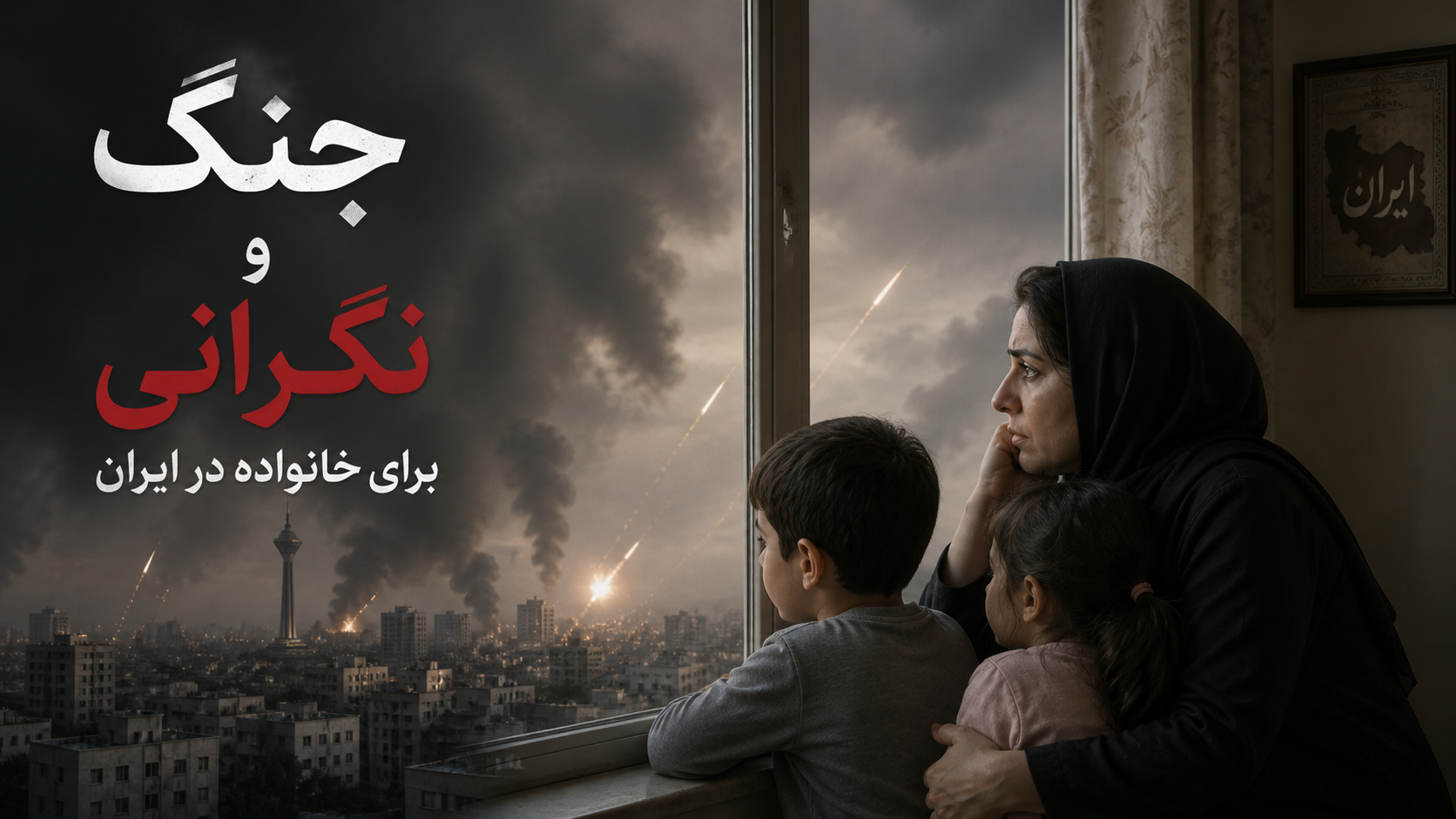
Worrying about family and loved ones living in Iran is perhaps one of the most common and simultaneously deepest mental concerns of Iranians residing abroad. This worry is rooted in the deepest layers of Iranian culture—a culture in which family plays a central and undeniable role, and emotional bonds among its members are among the strongest human connections. For many of us living abroad, a large part of our identity, memories, and sense of belonging is tied to our family and homeland, and it is natural that separation from them, especially in times of crisis, becomes a source of constant anxiety and worry.
This concern exists even in normal circumstances—longing for parents, worrying about the health of grandparents, concern for the future of siblings, and a sense of responsibility toward family members are all part of the daily life of many immigrants. However, when these worries are accompanied by larger crises, they take on new dimensions and can quickly transform from a daily concern into a full-blown psychological crisis. During times of war, social and political unrest, or crises such as widespread internet shutdowns, this worry becomes more acute.
To understand the depth of this worry, it suffices to look at the lived experience of Iranians abroad during the recent conflicts. An Iranian living in Toronto, in an interview with BBC News Persian, describes their experience: "The most terrifying part is that they are under heavy bombardment, and yet they call me and say 'We're fine, don't worry about us.' That's exactly what breaks me." This statement vividly illustrates the depth of immigrants' guilt and helplessness when they cannot help their families. Zahra Hosseini, a resident of Regina, Canada, whose family lives in Tehran, says that in addition to internet blackouts, water and power outages, and constant attacks, Iranians face increasing repression and threatening government messages.
This worry is not just a fleeting emotion; it can gradually affect different layers of one's existence. The mind begins to create scenarios: "I wish I could be there with them," "I wish I could help," "I wish I at least knew they were okay." These thoughts, though natural, can make daily life bitter and trap the individual in a whirlpool of anxiety and hopelessness if not properly managed.
2. Psychological Effects of Chronic Worry on Immigrants
Chronic worry about family, contrary to what many people think, is not just a fleeting emotion; it can gradually become a stable psychological state. The effects of this worry are so extensive that they can impact not only mental health but also social relationships, work performance, and even physical health.
Sleep disorders are one of the most common and distressing consequences of this worry. Scientific research shows that internet blackouts and lack of news from family, especially in circumstances where a "fragile truce" prevails, can lead to chronic insomnia. Researchers have introduced the concept of "Fragile Truce Anxiety"—a state in which the objective threat has decreased, but subjective uncertainty persists, and the nervous system cannot return to normal. For Iranian immigrants, this condition is intensified by the time difference; when an individual wakes up in the middle of the night, they know it is daytime in Iran and that new news may have been released.
Reduced concentration and decreased performance are other common consequences. The mind constantly drifts toward Iran and the family, and the individual cannot focus on their daily tasks. Iranian students in Canada, like Amirreza Foroughifar from Toronto Metropolitan University, tell The Globe and Mail that "you don't know whether that silence is because of the internet blackout or whether something has actually happened to your family." This ambiguity severely disrupts concentration.
Social isolation can also result from this worry. Sometimes the individual is so consumed by worrying thoughts that they have no desire to see others, attend gatherings, or even answer friends' calls. As a result, their social support network weakens, and they become trapped in a whirlpool of loneliness and worry.
Feelings of guilt and helplessness are among the deepest effects of this worry. A 28-year-old Iranian in Germany says: "My mother sold her jewelry to fund my immigration. Now I haven't been able to talk to her for more than a few minutes for months." This guilt, combined with helplessness from being unable to help from afar, can lead to depression and hopelessness. A 32-year-old Iranian living in Hamburg, who left Iran due to unemployment and the economic crisis, says: "I stare at my mother's last WhatsApp message for days and hope she comes online again."
Physical symptoms are also common in these circumstances, including frequent headaches, muscle tension in the neck and shoulders, digestive problems, and increased heart rate. These symptoms, though psychologically rooted, can feel very real and distressing and can themselves add to the individual's worry.
3. Why Does Worry About Family in Iran Intensify?
To better understand this worry and find effective strategies for managing it, we must first recognize the factors that intensify it. Recognizing these factors helps us face them more consciously and find more targeted solutions for reducing our anxiety.
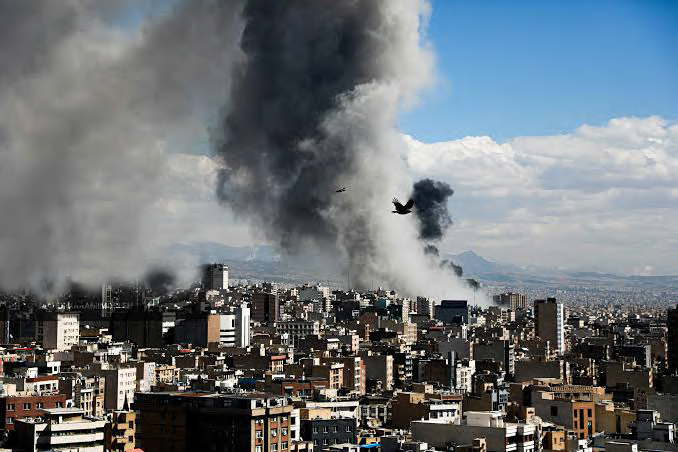
War and military conflicts are one of the most significant factors that have greatly increased immigrants' worry in recent years. The recent conflicts between Iran, Israel, and the United States, mutual missile attacks, and ongoing military threats have created an atmosphere of insecurity and fear in Iran. Every news report of an attack, every rumor about escalating tensions, and every military warning can mean more than just simple news for an immigrant whose family is in Iran. A Tehran citizen says: "Outside, many patrols are standing at every intersection, staring into your eyes. If they don't like your appearance, they stop you." This atmosphere is itself a source of anxiety for immigrants who know their loved ones are living in such conditions.
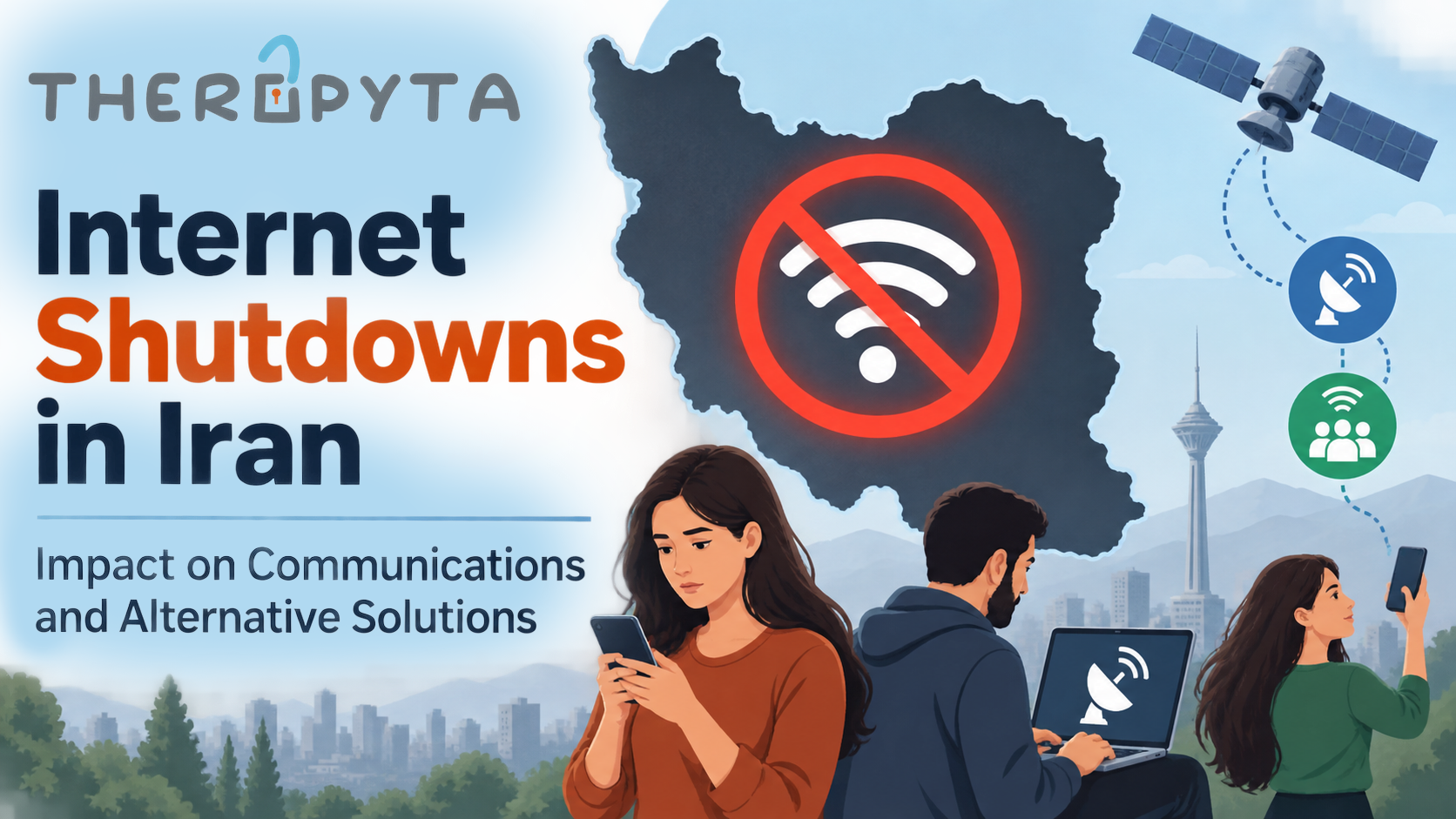
Widespread internet shutdowns are another factor that has significantly increased immigrants' worry. Extended and sometimes prolonged internet outages in Iran not only limit access to information but, more importantly, minimize the possibility of communicating with family. According to reports, during the 2026 conflicts, Iran's internet was cut off for more than 50 consecutive days, and this is considered the longest recorded internet shutdown in the world. For an immigrant accustomed to video calling their family every day and checking on their well-being, losing internet means losing the only reliable communication bridge. An Iranian living in Melbourne says: "If my brother is offline for more than half an hour or an hour, all kinds of terrifying thoughts rush to my mind."
Threatening government messages are another intensifying factor. Zahra Hosseini, a resident of Regina, Canada, says the Iranian government sends mass text messages to people, threatening them that if they cooperate with the enemy or suspect someone, they will be executed, detained, or tortured. These messages double immigrants' worry, as they know their families face not only the danger of military attacks but also internal threats. Pouyan Arab, executive director of the Iranian Cultural Society of Saskatoon, says that if a photo of a damaged building is found on someone's phone, they are considered an American or Israeli spy, punishable by long imprisonment or execution.
Feelings of helplessness and inability to intervene directly also intensify the worry. The immigrant knows they cannot quickly join their family during times of crisis, nor can they provide direct advice or assistance in important decisions. This distance, though physically measurable, operates on a much deeper and more complex psychological level, challenging the feeling of "being here and being there."
Survivor's guilt is another deep root of immigrants' worry—the guilt about why they are safe while their loved ones are not, and whether they should have left them behind. These thoughts, though often unconscious, can create a heavy burden of anxiety and regret, negatively impacting the immigrant's quality of life.
4. Practical Strategies for Maintaining Peace of Mind
Despite all the factors that intensify worry about family in Iran, the good news is that by adopting practical and effective strategies, we can significantly manage this worry and restore peace of mind to our lives. These strategies not only help reduce anxiety but also allow individuals to continue their lives with clearer vision and more positive energy.
1. Accepting Realities and Focusing on the Circle of Control
The first and most important strategy is accepting realities and focusing on the circle of control. The reality is that we cannot control many external events. Wars, politics, internet shutdowns, and many other issues are beyond our control. But what is within our control is our reactions, how we manage our thoughts, and the decisions we make to preserve our peace. Instead of spending energy worrying about things we cannot change, it is better to focus on what we can do. We can arrange support plans for our families, identify alternative communication methods, or think of ways that will be useful in times of crisis rather than engaging in fruitless worry.
2. Smart Management of News Consumption
Another very effective strategy is smart management of news consumption. During crises, drowning in news can be one of the most destructive behaviors. It is recommended to limit news consumption to two or three times a day, using reliable and multiple sources to avoid the influence of one-sided reporting and rumors. Also, avoid making news checking the first thing you do in the morning or the last thing at night, as this can occupy your mind for the entire day or disrupt your night's sleep. A 31-year-old Iranian living in Tehran says that after the internet shutdown, some people managed to find a connection with great difficulty after about two weeks, but the connection remained unreliable. In such circumstances, every piece of news you receive is valuable, but it should not overshadow your entire life.
3. Strengthening Effective Communication
Strengthening effective communication with family can greatly reduce worry. Even if the internet is down, you can use alternative methods such as SMS, landline phone calls, or even intermediaries and acquaintances to get news from family. According to BBC's report, one of the creative methods Iranians have devised to maintain connection is using intermediary services by people living in border areas. These individuals, with two SIM cards—one connected to the Iranian network and the other to a neighboring country's network—act as a communication bridge. Iranians abroad call the intermediary through a foreign number, and they then call their families inside Iran using their Iranian number. The cost of these services is high (about 38 dollars for a four-to-five-minute conversation), but it is valuable for many families.
You can also establish a regular communication schedule with your family so that you have a clear communication channel in both normal and crisis situations. If direct communication is not possible, coordinate with relatives or close friends of the family who are in better circumstances to receive news through them. An Iranian living in Europe says that their brother uses a VPN to access Telegram, and if he is offline for more than half an hour, terrifying thoughts rush to their mind.
4. Focusing on Daily Life and Maintaining Normal Routines
Focusing on daily life and maintaining normal routines is another of the most effective ways to cope with worry. Many people abandon their daily lives during crises and focus all their attention on news and worries. But maintaining normal routines sends a message to the mind that life continues and challenges can be overcome. Try to maintain your daily schedule as much as possible. Go to work, continue studying and learning, exercise, meet with friends, and engage in enjoyable activities. These activities not only distract the mind from worries but also provide positive energy to face challenges. For Iranian students, maintaining academic routines and connecting with classmates can be especially helpful, as Amirreza Foroughifar, a student at Toronto Metropolitan University, says that as soon as his phone rings, he rushes out of class because "if he missed the call, he wouldn't know when the next call would be." But at the same time, he and other Iranian students try to manage this pressure by supporting each other.
5. Relaxation and Stress Management Techniques
Relaxation and stress management techniques are also very useful in these circumstances. Deep breathing exercises, meditation, and mindfulness can help reduce anxiety levels and increase the sense of control over emotions. You can dedicate a few minutes each day to deep breathing practice, or use meditation apps to guide relaxation sessions. Activities like yoga, walking in nature, or listening to calming music can also have a significant impact on reducing tension. Research shows that Cognitive-Behavioral Therapy for Insomnia (CBT-I), culturally adapted for Iranians, can be effective in reducing war-related insomnia.
6. Transforming Worry into Meaningful Action
Transforming worry into meaningful action is one of the most constructive ways to manage this emotion. Instead of drowning in a whirlpool of worry, try to do something. You can participate in collecting financial aid for families affected by the war, play a role in accurate information sharing and preventing the spread of rumors, or even reassure your family by writing letters or sending loving messages that you are thinking of them. An Iranian living in Tehran says: "Every time I managed to connect to the internet even for a moment, I would message everyone and ask for their family's numbers so I could get news and pass on news. When I call a mother and mention the name of a child she had asked about, the sound of her laughter and excitement changes my world." This sense of participation can partially alleviate feelings of powerlessness.
7. Emotional Release and Talking with Others
Emotional release and talking with others can also be very beneficial. Share your feelings with trusted friends, your spouse, or family members. Sometimes simply expressing worries can lift a heavy burden off your shoulders. Participating in support groups of Iranians abroad who have similar experiences can also provide a space for empathy, experience sharing, and finding new strategies. An Iranian-Swedish couple living in Uppsala, Mohammad and Maryam, say: "In reality, our bodies are in Sweden and our hearts are in Iran; you could say we are almost shattered." Hearing such experiences from others can reduce feelings of loneliness and remind the individual that they are not alone.
5. When Do We Need Professional Help?
Self-help strategies can be effective in many cases, but sometimes worry reaches a point where it goes beyond the individual's control and requires professional intervention. Recognizing when we need professional help can be a vital step on the path to recovery. If your worry has persisted for several months and, despite efforts to manage it, has not improved but instead has become increasingly severe, this is a sign that you should consider professional help.
Also, if worry has severely impacted your daily functioning—to the point where you cannot work properly, study, or maintain your social relationships—it is time to seek help from a specialist. The emergence of physical symptoms such as chronic headaches, digestive problems, persistent heart palpitations, or muscle tension that do not improve with usual strategies are also signs of needing professional help. If you have turned to alcohol, tobacco, or drugs to reduce your worry and anxiety, or if you have thoughts of suicide or self-harm, these are emergencies and you should see a specialist as soon as possible.
Researchers recommend that active screening for war-related insomnia and anxiety be conducted among Iranian patients abroad, and that CBT-I be delivered in a culturally adapted manner and in Persian through diaspora organizations and social settings. In all these cases, consulting a psychologist or psychiatrist can help you return to peace through effective therapeutic strategies, including cognitive-behavioral therapy, stress management, or medication if necessary.
Online counseling platforms like therapyta provide specialized psychological and psychiatric services online with experienced Persian-speaking counselors, making it possible for Iranians abroad to access psychological support from anywhere at any time. All counselors active on therapyta hold official licenses from the Psychological System Organization, and their credentials are thoroughly verified before collaboration, ensuring users can benefit from their expertise with complete confidence. Remember that seeking help is not only not a sign of weakness, but a sign of courage, wisdom, and commitment to your own health and the well-being of your loved ones.
6. Conclusion
Worry about family in Iran is one of the deepest and most pervasive concerns of Iranians abroad, which becomes more acute during political crises, war, and internet shutdowns. This worry, though natural and reflective of the depth of human emotions, can lead to sleep disorders, reduced concentration, social isolation, and even depression if not properly managed. Research shows that internet blackouts and lack of news from family, especially in circumstances where a "fragile truce" prevails, can lead to chronic insomnia and persistent anxiety.
However, by accepting realities and focusing on the circle of control, smart management of news consumption, strengthening effective communication, maintaining daily routines, using relaxation techniques, and transforming worry into meaningful action, we can significantly reduce the intensity of this anxiety and restore peace to our lives. Also, when worry goes beyond control, consulting a mental health professional and benefiting from online counseling services can play a vital role in returning to psychological balance. Remember that you are not alone, and thousands of other immigrants are experiencing the same feelings. With empathy, mutual support, and the use of scientific strategies, we can get through this difficult period and support our families along the way.

 (1).jpg)
 (Website) (3).jpg)